
Behind the Lens: How to Verify the Authenticity of Limited Edition Fine Art Prints
Fine art collecting is a deeply personal journey—one that blends emotion, aesthetic appreciation, and financial investment. When acquiring limited edition fine art prints, particularly in the realm of museum-quality photography prints, authenticity becomes paramount. For seasoned collectors and newcomers alike, understanding how to verify the authenticity of a limited edition print is essential to protect your investment and honor the artist’s intent.
In this edition of Behind the Lens, we explore the critical elements that distinguish genuine limited edition prints from imitations. Whether you’re looking to add high-end photography for collectors to your gallery or wish to support artists through verified purchases, this guide will equip you with the knowledge to make informed decisions.
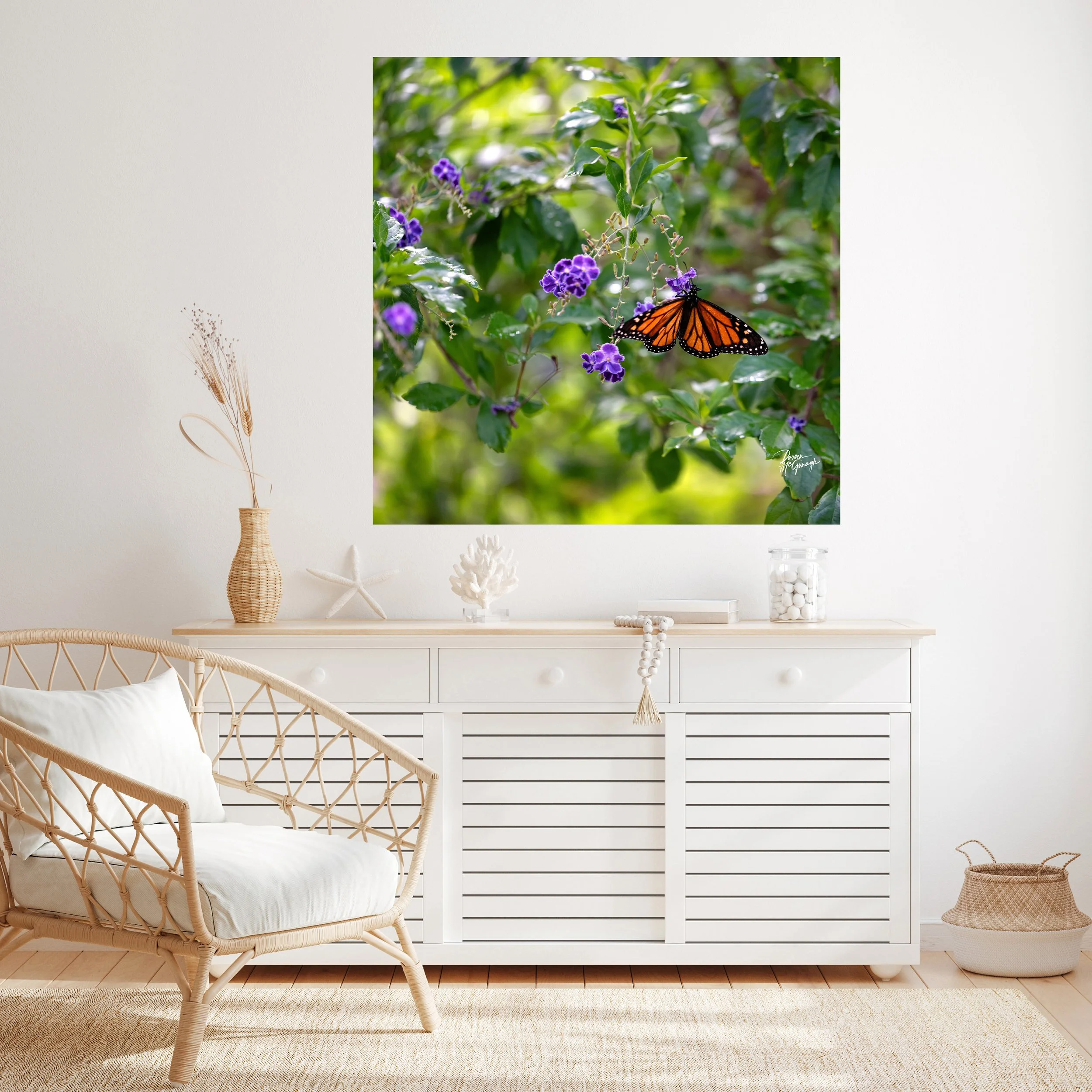
Butterfly’s Grace Among Violet Bloom
Created for collectors who appreciate high-end photography for collectors and conservation wildlife photography, this piece blends the artistry of the wild with the serenity of botanical harmony. It is more than just wildlife photography wall art; it's a celebration of transformation, resilience, and the interconnectedness of life, told through the lens of conservation photographers dedicated to preserving these intimate encounters. Learn more
What Is a Limited Edition Fine Art Print?
A limited edition fine art print is produced in a restricted quantity, making each piece part of an exclusive collection. The artist sets a predetermined number of prints—often ranging from a few to several hundred—and once that number is reached, no additional prints of that image will be created in the same format or size.
This limitation enhances the value and rarity of the artwork, making it highly desirable for collectors seeking fine art photography prints that are not mass-produced.
Why Authenticity Matters
In an age of digital reproduction, distinguishing a true limited edition from a mass-market copy is more important than ever. Authentic prints maintain and often increase in value over time, while counterfeit or misrepresented works can be worthless and legally problematic. For high-end photography for collectors, authenticity is a key factor in maintaining the prestige and integrity of a collection.
1. Check for a Certificate of Authenticity (COA)
A legitimate certificate of authenticity is the gold standard for verifying a limited edition print. This document should come directly from the artist or their authorized representative and include:
The artist's name
Title of the work
Edition number (e.g., 12/100)
Medium and print size
Date of creation
Signature (hand-signed is preferred)
Contact or studio information
Some artists include holograms, embossed seals, or QR codes that link to a digital archive. These features help protect both the artist and the buyer from fraud.
At Doreen McGunagle Fine Art, each limited edition photograph includes a hand-signed COA printed on archival paper and accompanied by detailed provenance.
2. Understand Edition Numbers and Print Runs
One of the most misunderstood elements of fine art collecting is the edition number. This number, usually formatted like “15/50,” represents two things:
The individual number of the print (15)
The total number of prints in the edition (50)
Lower numbers may carry perceived value, but all numbers within the same edition should be equal in quality. Be cautious if you see a print without any edition number or labeled “open edition,” as these are typically not investment-grade.
Some artists also create multiple edition sizes (e.g., 24x36 and 40x60) or special editions (like artist proofs, often labeled “AP”), which are more limited and sometimes even more valuable. Be sure the edition type is clearly listed on the COA.
3. Look for the Artist’s Signature
Authentic fine art photography prints are almost always signed by the artist. This signature may appear:
On the front, beneath the image (usually in pencil or archival ink)
On the back of the print
On the matting or border
Digitally embedded in the case of digital-only formats (rare for physical collectors)
An authentic signature is one of the most reliable ways to confirm an artist's involvement. If you’re unfamiliar with the artist’s autograph, compare it to known examples or request a verification from a gallery or appraiser.
4. Review the Printing Method and Materials
Not all prints are created equal. Museum-quality photography prints are typically produced using high-end archival materials like:
Hahnemühle FineArt paper
Archival pigment inks
Acrylic or aluminum backing for large-scale works
Canvas Pro materials for textured, painterly finishes
At Doreen McGunagle Fine Art, every limited edition is printed using the highest-grade archival materials in certified fine art print studios. This ensures that your investment will last for generations without fading, warping, or yellowing.
Beware of cheaper substrates like glossy poster paper or flimsy foam backing—these are indicators of mass reproduction.
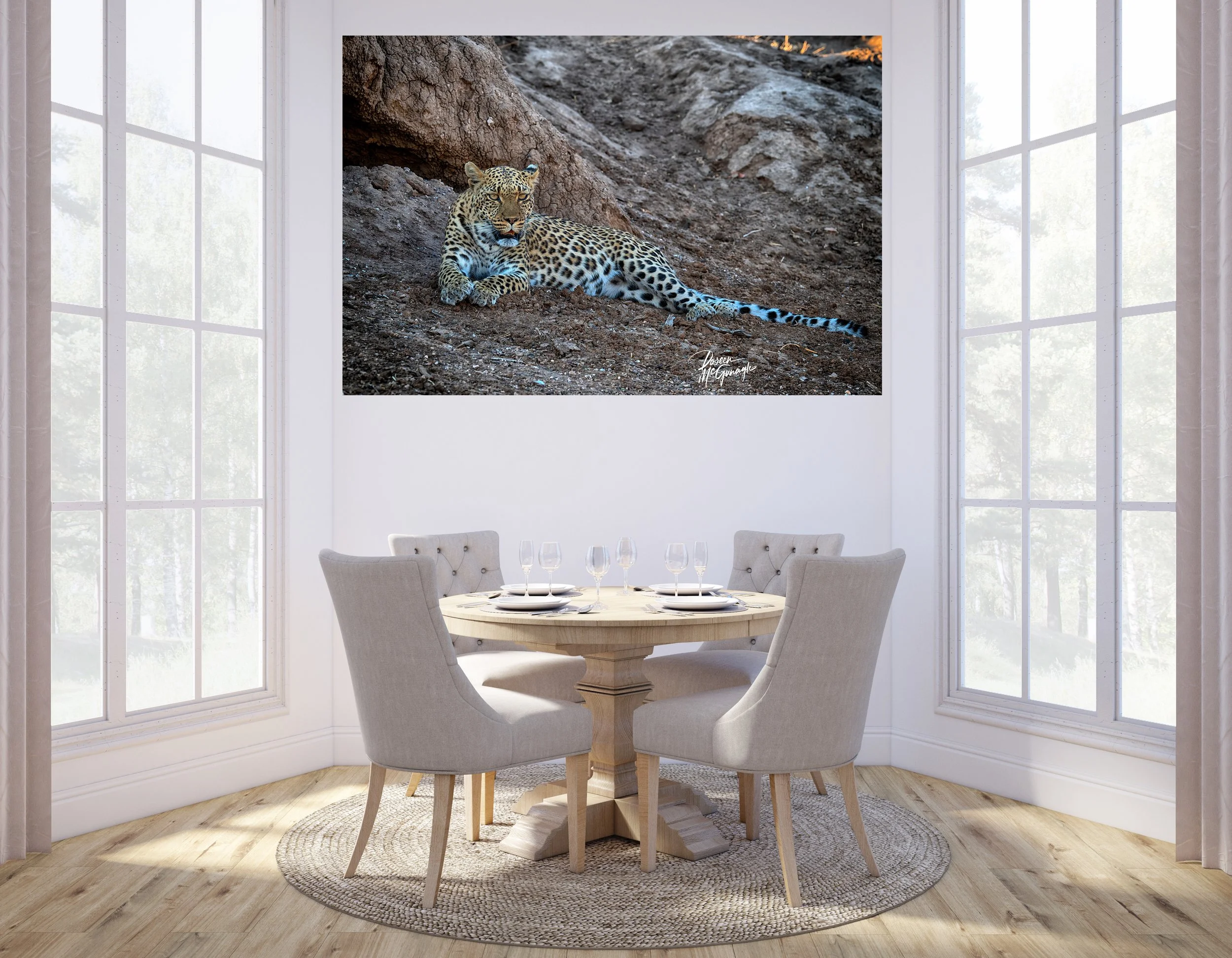
Leopard’s Tranquil Watch
Crafted for collectors and nature lovers alike, this fine art photography print invites you to witness the subtle tension between stillness and awareness. The leopard's poised gaze draws your attention beyond the frame, encouraging a deeper appreciation of the wild’s silent stories. The textures of soil and foliage ground the composition, elevating it into a true example of artistic art photography. Learn more
5. Confirm Provenance and Purchase Source
The provenance of a print is its documented history of ownership. Authentic pieces often come from one of the following sources:
The artist's own studio or website
An authorized gallery
A reputable art fair or exhibition
Certified secondary market sellers
If buying online, ensure the seller has high-resolution images of both the artwork and the certificate of authenticity. Contact the artist or gallery directly if in doubt—they’re often happy to verify a piece's legitimacy.
6. Ask for a Print Documentation Sheet
In addition to the COA, many professional artists include a documentation sheet detailing:
The story or inspiration behind the image
The photographic process or equipment used
The location where the image was taken
Care instructions and framing recommendations
This transparency adds trust and deepens the collector’s connection to the artwork.
7. Evaluate the Framing and Presentation
High-end photography for collectors often includes professional framing. If the print arrives in a low-cost or mismatched frame—or worse, rolled up without protection—this may be a red flag.
Look for:
Museum-quality UV acrylic or glass
Archival mats and backing boards
Float-mount or gallery-wrap presentations
Proper labeling on the back of the frame with artist and edition details
These finishing touches indicate the work was handled with care and respect.
Final Thoughts: Buy with Confidence
As an artist, I believe that every collector deserves to feel confident in their purchase. Limited edition fine art photography prints are not just images—they’re legacies, captured moments, and emotional investments. Verifying their authenticity preserves the value, beauty, and integrity of each piece.
By checking for a certificate of authenticity, edition numbers, signature, materials, provenance, and framing, you’re not only protecting your collection—you’re also honoring the artist’s vision and supporting ethical practices in the art world.
At Doreen McGunagle Fine Art, our mission is to connect collectors with museum-quality prints that tell stories of nature, wildlife, and resilience. Each print is a promise of authenticity, artistic excellence, and enduring value.
Explore the full collection of limited edition prints at www.doreenmcgunagle.com
Or contact us directly with any questions about verifying artwork you own or plan to acquire.