
Behind the Lens:How to Maintain the Longevity of Museum-Quality Photography Prints
By Doreen McGunagle Fine Art
Investing in museum-quality photography prints is a celebration of artistry, craftsmanship, and timeless beauty. These pieces not only enhance your living space but also serve as valuable assets that can be passed down through generations. To preserve their brilliance and value, however, thoughtful care is essential. Whether you are a seasoned collector or just beginning your journey into fine art photography prints, maintaining their longevity requires attention to detail in lighting, framing, and storage.
In this Behind the Lens feature, we explore expert techniques to keep your high-end photography for collectors in pristine condition—ensuring your investment remains as vibrant and captivating as the day you acquired it.
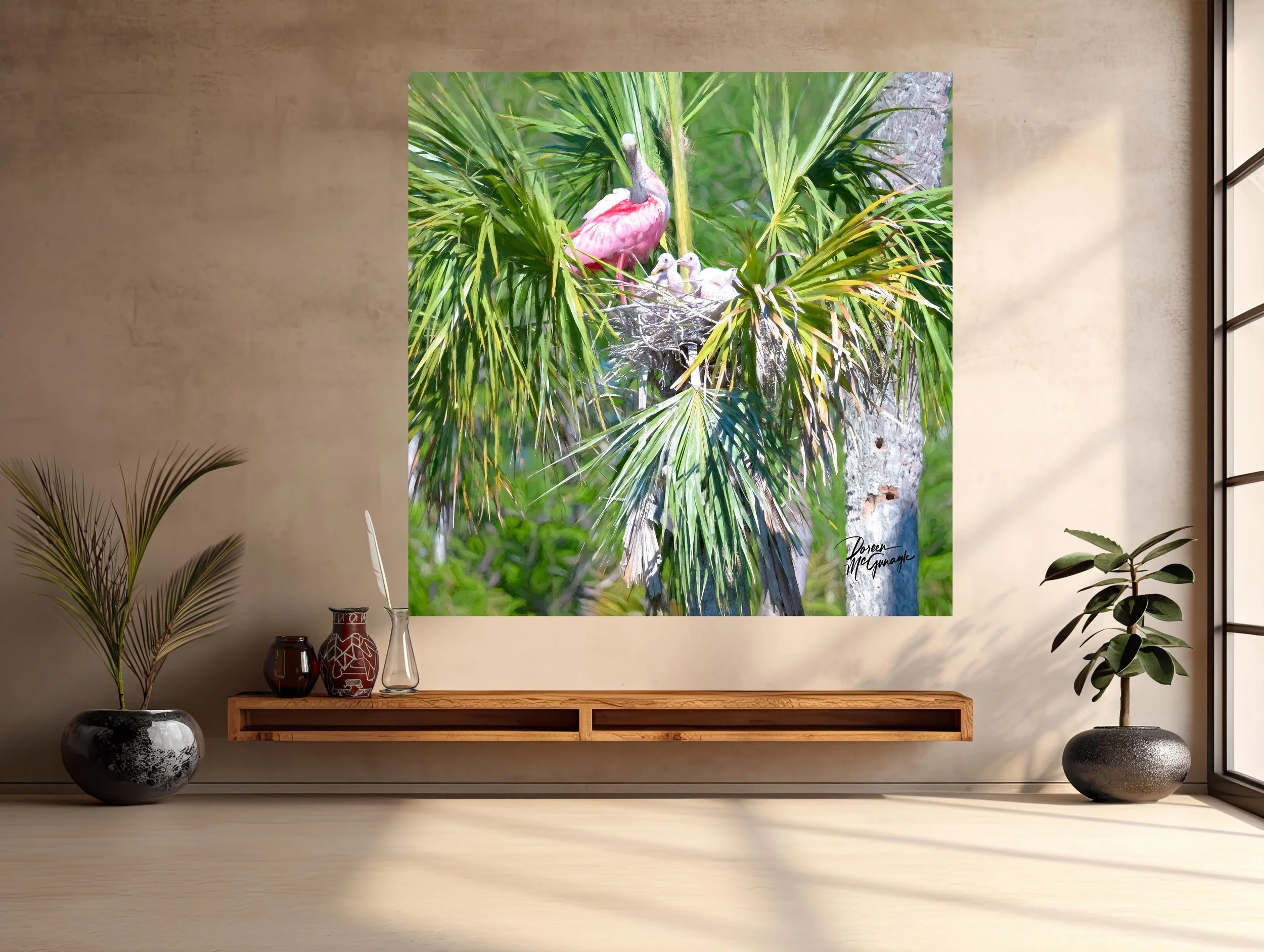
Roseate Whispers in a Leafy Nest
Elevate your space with “Roseate Whispers in a Leafy Nest,” a museum-quality photography print by conservation photographer Doreen McGunagle. This limited edition fine art print captures the delicate elegance of a roseate spoonbill nestled in the lush embrace of vibrant palm fronds. At its heart lies a tender moment—three newly hatched chicks tucked safely in their leafy nest, symbolizing the beauty of life’s continuity and nature’s gentle resilience.
The Importance of Preservation
When you acquire a museum-quality photography print, you're investing in a piece of visual storytelling that reflects exceptional craftsmanship. These prints are created using archival materials designed to resist fading and deterioration. However, even the highest quality work needs protection from environmental elements over time. Proper care not only maintains visual appeal but also preserves the print’s authenticity and value, especially in the realm of conservation photography where both artistic and environmental narratives must endure.
Tip 1: Mindful Display—Choosing the Right Lighting
Light plays a pivotal role in how we experience art—but it can also be one of the biggest threats to the longevity of photography prints.
Avoid Direct Sunlight: UV rays can cause colors to fade and paper to degrade, even when prints are made with archival inks and papers. Always hang your prints away from direct sunlight.
Use UV-Protective Glass or Acrylic: When framing, opt for museum-grade glazing with UV protection. This helps block harmful rays while preserving the vibrancy of the image.
Choose LED Lighting: If additional lighting is needed, use LED lights. They emit minimal UV rays and produce less heat than incandescent or fluorescent bulbs, reducing the risk of thermal damage to your print.
Lighting your fine art photography prints thoughtfully ensures they remain luminous without sacrificing their long-term integrity.
Tip 2: Proper Framing for Protection and Presentation
Framing is more than a display choice—it’s a vital step in preserving the condition of museum-quality photography prints.
Use Archival Materials: Make sure mats, backing boards, and adhesives are acid-free and archival quality. This prevents chemical reactions that could cause yellowing or deterioration over time.
Float Mounting for Elegance and Safety: Float mounting creates a visual impact while avoiding adhesives on the print itself. It also minimizes pressure on the image surface.
Seal Frames to Protect Against Dust and Moisture: Dust and humidity are enemies of fine art prints. A well-sealed frame keeps out contaminants and stabilizes the environment around the print.
Selecting premium framing options not only enhances the visual beauty of high-end photography for collectors but also safeguards your artwork for the future.
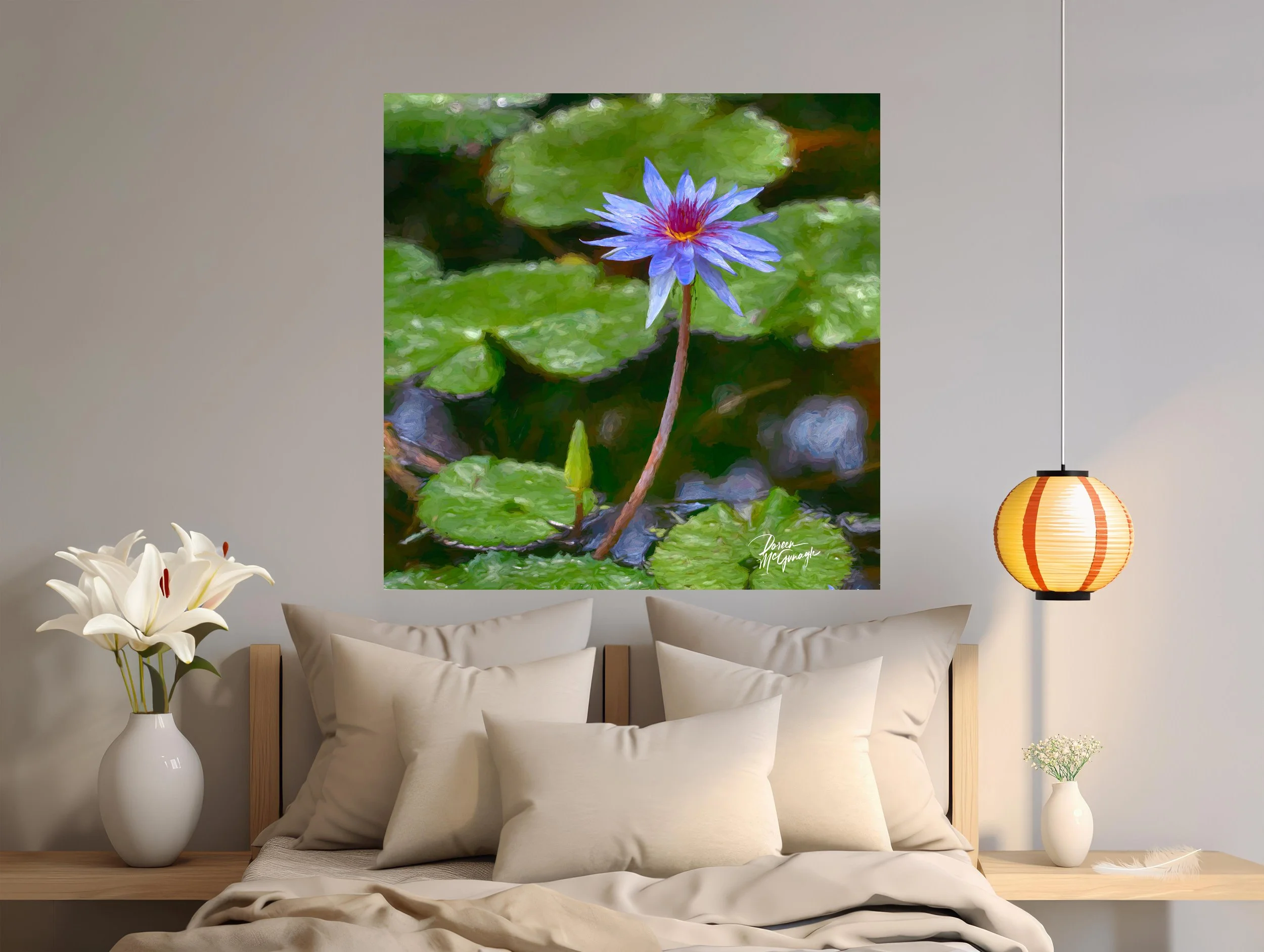
Tranquil Bloom: The Water Lily’s Dance
The creation of "Tranquil Lotus Symphony" involved a unique artistic process. It was inspired by the serene landscapes of McKee Botanical Gardens and the evocative power of conservation and fine art photography. The influence of surrealism brings an additional layer of depth, making the lilies appear almost dreamlike in their beauty. This piece is a testament to nature's ability to inspire and uplift the human spirit, inviting viewers to pause and appreciate the simple yet profound wonders of the natural world.
Tip 3: Optimal Storage When Not on Display
If you need to rotate your collection or store some pieces temporarily, taking proper steps during storage is crucial.
Store in a Climate-Controlled Environment: Ideal storage conditions are around 70°F (21°C) and 50% relative humidity. Avoid basements, attics, and garages where temperatures and humidity can fluctuate wildly.
Use Archival Storage Materials: Store prints flat in acid-free, lignin-free folders or boxes. Avoid rolling them unless absolutely necessary, and even then, use wide-diameter archival tubes.
Handle with Care: Always handle prints with clean cotton gloves to avoid transferring oils or dirt from your hands onto the surface.
Proper storage techniques are vital for maintaining the pristine condition of museum-quality photography prints, especially if you are building a rotation of displayed works.
Tip 4: Environmental Control and Regular Monitoring
Even framed and properly displayed prints are vulnerable to changes in the surrounding environment.
Maintain Stable Temperature and Humidity: Drastic shifts in temperature or moisture levels can cause paper to expand, contract, or even mold. Use a dehumidifier or humidifier as needed to keep the environment stable.
Inspect Prints Periodically: Regularly check your prints for early signs of fading, warping, or mold. Catching potential problems early can prevent permanent damage.
Keep Away from Air Pollutants: Avoid displaying prints near fireplaces, kitchens, or heavily trafficked areas where airborne oils and pollutants are prevalent.
A little proactive care goes a long way in extending the life of your cherished fine art photography prints.
Tip 5: Invest in Professional Conservation
If your artwork becomes damaged or if you're preparing to frame an exceptionally rare or valuable piece, professional conservation services are invaluable.
Seek Experts in Conservation Photography: Trained conservators have the skills and tools needed to repair, clean, or properly mount valuable photography prints without causing further damage.
Document Your Collection: Keep records of provenance, certificates of authenticity, and condition reports. These documents are crucial for insurance purposes and maintaining the value of your collection.
Preserving your investment often means entrusting it to professionals who understand the delicate balance between beauty and preservation.
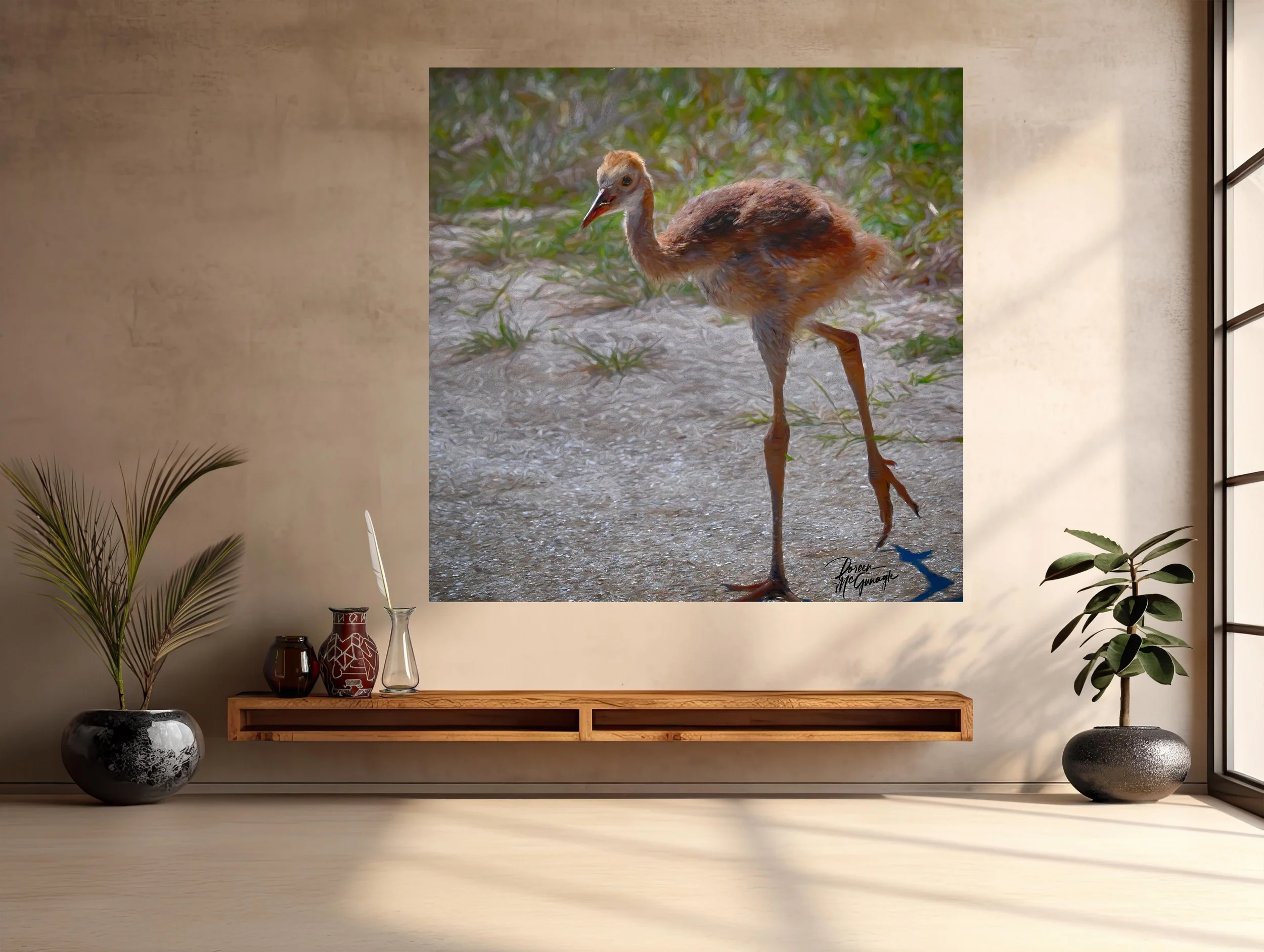
Sun-Kissed Fluff in Nature’s Spotlight
Celebrate the quiet charm of the wild with “Sun-Kissed Fluff in Nature’s Spotlight,” a limited edition fine art print by conservation photographer Doreen McGunagle. This museum-quality piece captures the tender innocence of a Baby Sandhill Crane, bathed in golden sunlight, its soft feathers glowing with warmth and natural elegance.
Final Thoughts
Museum-quality photography prints represent a powerful combination of artistry, craftsmanship, and emotional resonance. With proper lighting, careful framing, mindful storage, environmental control, and, when needed, professional conservation, your prints can remain stunning for decades—becoming heirlooms that tell stories for generations to come.
As a fine art photographer deeply committed to conservation storytelling, I believe that how we care for our art is just as important as how we create and share it. Each piece is a testament to a moment in time, a connection to nature, and a legacy worth preserving.
Whether you're new to collecting or a seasoned connoisseur, the extra effort you invest in caring for your museum-quality photography prints will pay off in enduring beauty and value.
Thank you for joining me behind the lens—where every image has a story, and every story deserves to last.