
Behind the Lens with Doreen McGunagle Fine Art: Why Collectors Prefer Limited Edition Fine Art Prints Over Mass Prints
In a world where images are everywhere—from our phones to billboards—what makes a single photograph truly valuable? The answer lies not just in the subject or the technique but also in the rarity and intentionality behind the print. This is why limited edition fine art prints have become the gold standard for collectors who value authenticity, investment potential, and emotional connection. For those who appreciate museum-quality photography prints and want to invest in high-end photography for collectors, limited editions offer a meaningful and lasting addition to their personal or professional art collections.
1. The Allure of Exclusivity
At the heart of every limited edition print is exclusivity. A limited edition fine art print is produced in a fixed, predetermined number—whether it’s 10, 25, or 100. Once that number is reached, no more prints of that image will be made in that format and size. This scarcity increases the print's desirability and value over time.
Collectors know they are acquiring something unique—a piece that very few others in the world will own. It’s not just art; it’s a rare experience captured in time, printed with care, and authenticated by the artist. In contrast, mass-produced prints are often printed in the thousands, diminishing their artistic and financial value.
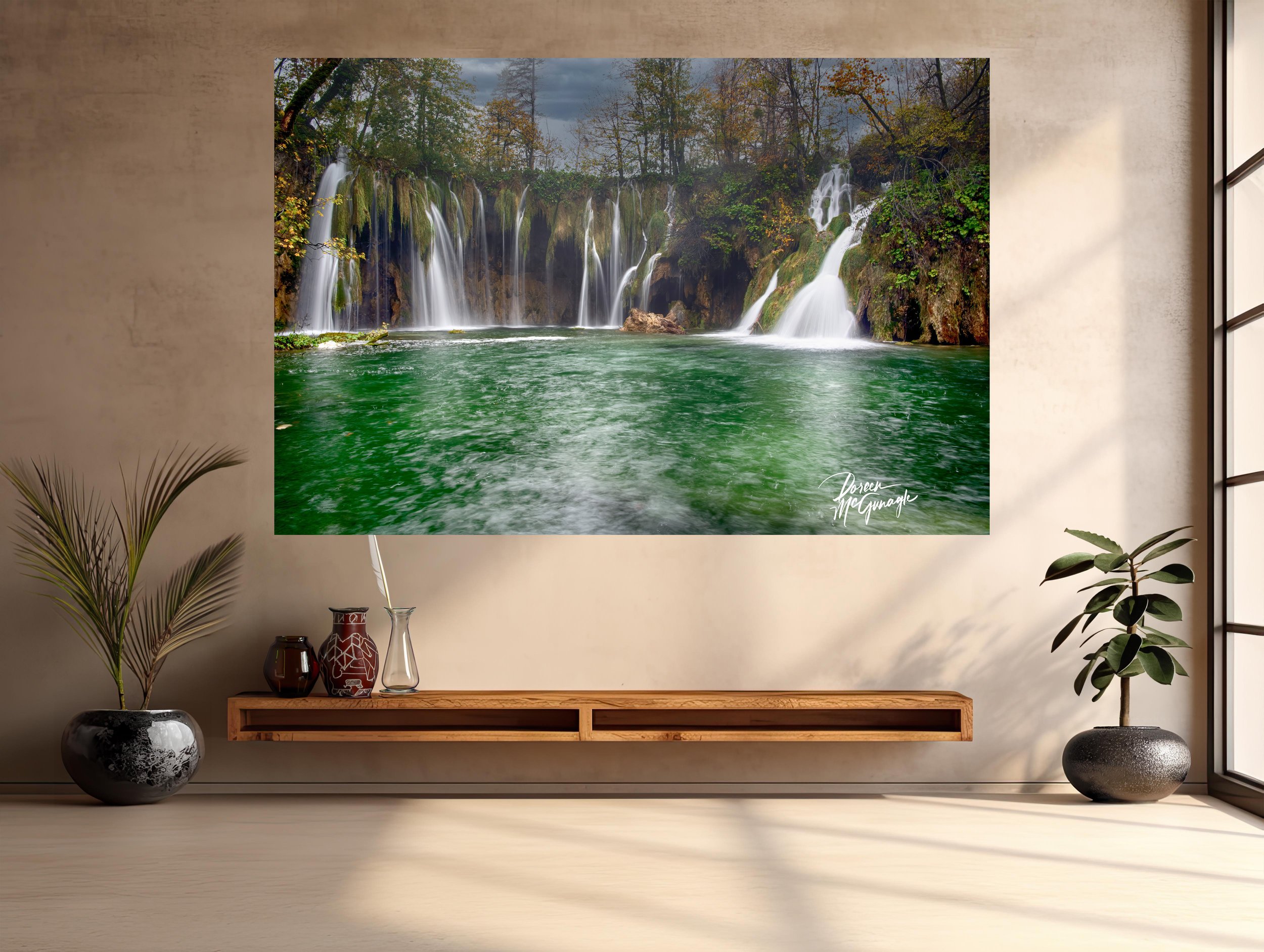
Reflective Falls in Emerald Dreamscape
This landscape photography print draws viewers into its dreamscape, evoking introspection and peace. Whether displayed as large photography wall art or within a fine art photography gallery, it reminds viewers of nature's restorative power. It invites them to pause, breathe, and appreciate the beauty of the natural world. It is ideal for those seeking photography for sale to enrich their collection with fine prints and timeless photographic art. Learn More
2. Artist's Vision and Intention
Every fine art photographer puts immense thought into crafting a limited edition print—from choosing the right image, paper, and print process to signing and numbering each piece. These decisions reflect the artist’s vision and provide the collector with insight into the creative journey.
As a collector, owning a limited edition is like having a conversation with the artist. It represents their most inspired and refined work, unlike mass-produced prints which are often selected for commercial appeal rather than artistic depth. This level of intentionality resonates deeply with those who collect not just for decoration, but for meaning.
3. Quality That Lasts a Lifetime
Limited edition fine art prints are made using museum-quality materials—archival paper or canvas, pigment-based inks, and professional finishing methods. This ensures longevity, color accuracy, and resistance to fading over time. These prints are designed to last generations when properly cared for.
In contrast, mass-produced prints often use lower-grade inks and paper, which degrade over time and lack the same depth and vibrancy. For collectors who view art as a legacy, quality is non-negotiable. A fine art print isn't just a visual statement; it's a lasting testament to beauty and craftsmanship.
4. Authenticity and Value Documentation
Limited edition prints are typically accompanied by a Certificate of Authenticity (COA), which includes the artist’s signature, the edition number, and sometimes details about the location or inspiration behind the work. This certificate enhances the print's value and verifies its provenance—critical for collectors, galleries, and appraisers.
Mass prints lack this personalized connection. They’re often unsigned and unnumbered, with no documentation to support their value or originality. For collectors who are serious about building a recognized and credible art collection, this difference is substantial.
5. Investment Potential
One of the driving reasons why collectors gravitate toward high-end photography for collectors is the investment potential of limited edition fine art prints. As an artist’s reputation grows, the value of their limited editions often increases. Early collectors may see significant appreciation over time, especially for works that have sold out.
Additionally, collectors who purchase limited editions are often purchasing a piece of cultural or environmental storytelling that becomes more relevant as years go on—especially when created by photographers like myself who focus on nature conservation and the fragile beauty of wild landscapes.
6. Personal Connection and Storytelling
Art collectors are often drawn to stories—both the stories behind the images and the ones they create when the work becomes part of their home or workspace. A limited edition fine art print carries with it the narrative of the moment it was captured: the light, the journey, the patience, and the feeling.
When you collect a piece like “Serenity at Dusk” or “Enduring Bonds”, you are connecting with a moment that took hours—or sometimes years—to witness and photograph. You’re becoming part of that story and preserving a slice of the natural world through museum-quality photography prints that stir emotion and inspire reflection.
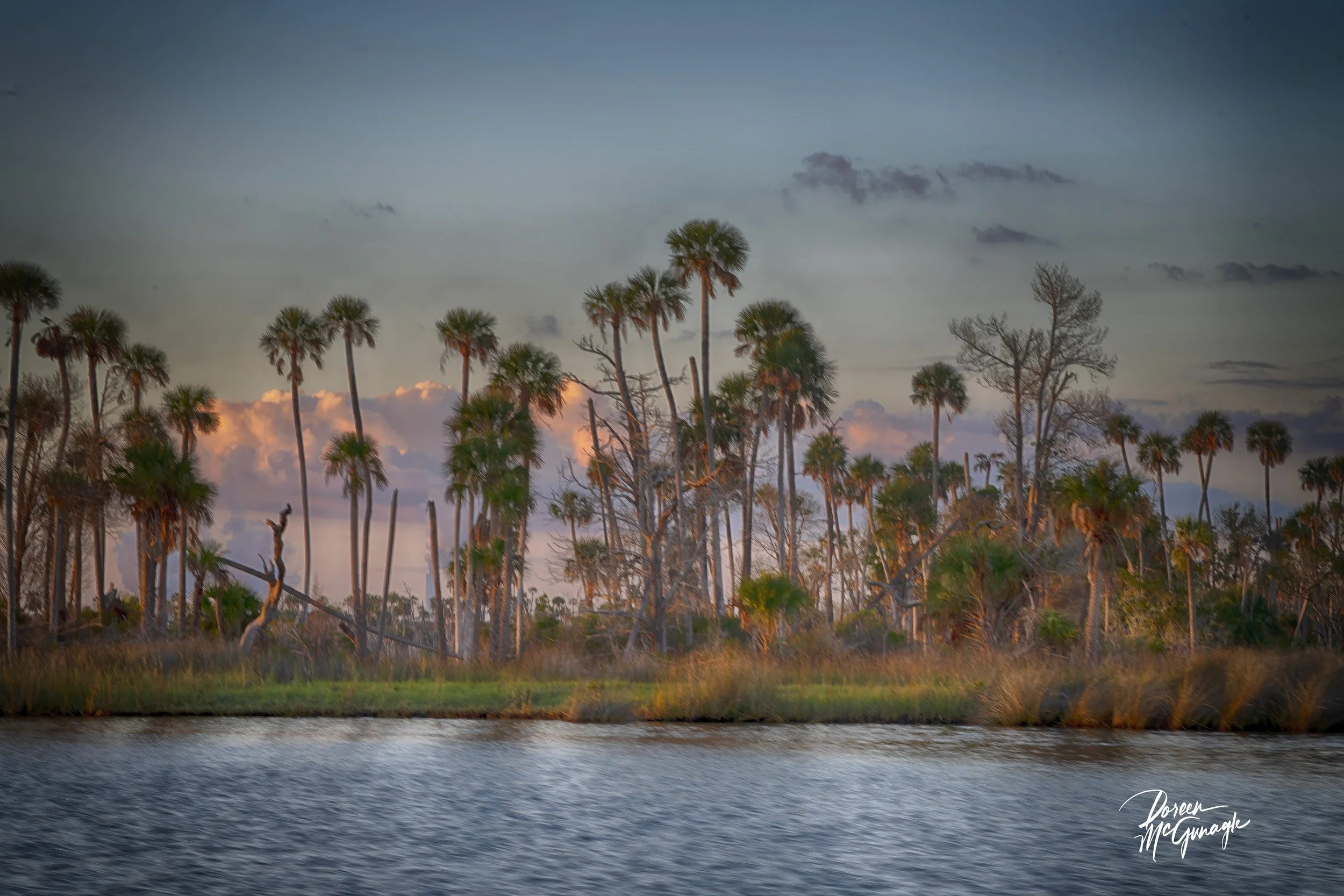
Serenity at Dusk
Whether displayed in your home, office, or gallery, "Serenity at Dusk" will transport you to a world of calm and enchantment. It embodies the essence of beautiful sunset scenes and Florida's natural beauty. This fine art photograph is not just an image but a gateway to reconnecting with the profound wonder and serenity that the natural world inspires.
7. Supporting Living Artists and Their Mission
When collectors choose limited edition prints, they’re also supporting the artist directly. This allows photographers to continue their creative work, invest in equipment, travel to remote locations, and contribute to conservation efforts.
As someone whose work is deeply tied to environmental advocacy, I see every purchase as a collaboration between collector and artist—a shared investment in both art and the planet. Unlike buying mass prints from big-box retailers, acquiring a limited edition means you’re championing originality, authenticity, and creative passion.
8. Curated Experience and Presentation
Limited edition photography prints are often sold through curated platforms, fine art galleries, or directly from the artist. This provides a personalized experience for the collector, including options for custom framing, signed artist statements, and even installation advice.
Mass prints lack this curated touch. They’re designed for convenience, not connection. For collectors who seek intentional, beautifully crafted work for their homes, offices, or galleries, this distinction matters deeply.
Final Thoughts
In an age of digital overload and disposable décor, serious art collectors are turning to limited edition fine art prints for something more enduring—art that holds value, tells a story, and reflects the soul of the artist. These fine art photography prints are more than just beautiful images; they are windows into moments, ideas, and ecosystems that deserve to be seen and preserved.
By choosing limited editions over mass prints, collectors elevate their spaces with high-end photography and become part of a greater movement to honor creativity, rarity, and the power of visual storytelling.
Looking to Start or Expand Your Collection?
Explore the Limited Edition Collections at Doreen McGunagle Fine Art and discover how museum-quality photography prints can elevate your space—and your legacy.