
How to Start a Fine Art Photography Collection with Confidence
Beginning a fine art photography collection can feel intimidating, especially for first-time collectors. Questions about value, size, subject matter, and investment often arise. The good news is that collecting fine art photography is less about rules and more about connection, intention, and trust in your own response to the work.
As a fine art nature and landscape photographer, I encourage collectors to approach this process with curiosity and confidence—building a collection that reflects both personal taste and long-term appreciation.
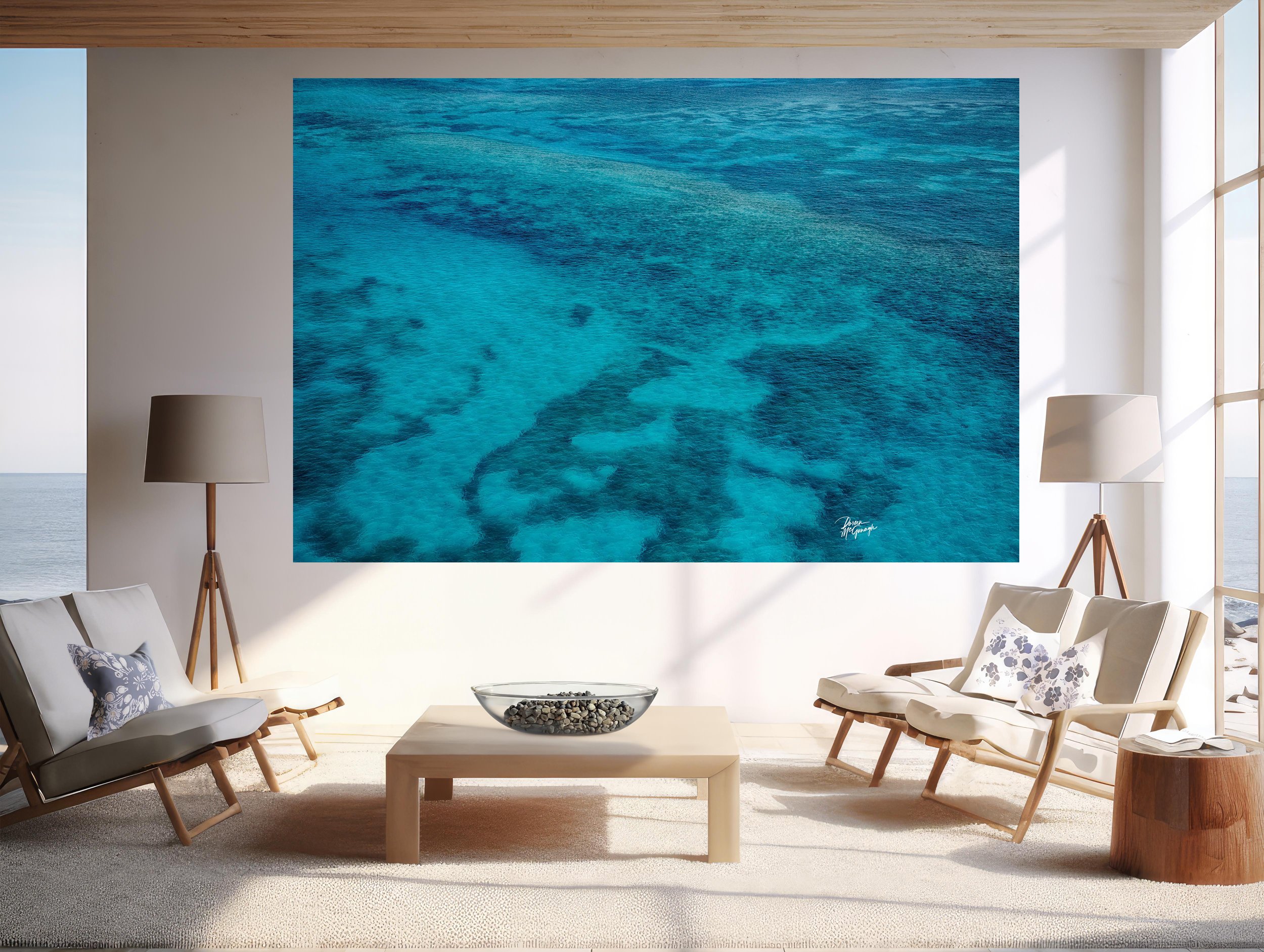
Fluid Currents of Looe Key
Fluid Currents of Looe Key captures the ocean’s surface as a living interface between light, movement, and depth — a visual meditation on the shifting rhythms of the sea. Photographed from above within the protected waters of the Florida Keys National Marine Sanctuary, this fine art nature photography piece explores the subtle dialogue between stillness and motion. Through aerial photography and the lens of abstract realism, the image transforms the ocean into an expressive composition where color, texture, and light converge to reveal the quiet complexity of a thriving marine environment.
LKFL 3458-25 | c2026 | Learn More
Start with Emotional Connection
The most important rule of collecting fine art photography is simple: choose work that resonates with you. Emotional connection should always come before trends or perceived market value.
Landscape photography prints often appeal to collectors seeking calm, openness, and reflection. Wildlife photography may resonate through intimacy, strength, or symbolism. Black and white fine art photography offers timelessness and subtle emotional depth.
If an image continues to draw you in—inviting reflection each time you see it—it’s a strong foundation for a collection.
Understand the Artist’s Vision
Collecting fine art photography means investing in an artist’s way of seeing the world. Take time to learn about the photographer’s approach, subject matter, and creative philosophy.
A landscape photographer’s work may focus on stillness and atmosphere, while another may emphasize dramatic scale and movement. Wildlife photographers may prioritize storytelling, conservation, or emotional intimacy. Understanding this vision helps collectors feel confident that the work will remain meaningful over time.
A cohesive artistic voice adds depth and continuity to any collection.
Begin with One Strong Piece
You don’t need to purchase multiple works at once to begin collecting. One thoughtfully chosen piece—especially a strong focal work—can anchor a space and establish the tone for future acquisitions.
Large prints are often an excellent starting point. A single large landscape photography print can transform a room, creating presence and emotional grounding. When displayed with care, it becomes a statement piece that defines both the space and the collection.
Starting with quality rather than quantity builds confidence and clarity.
Learn About Limited Editions
Limited edition fine art photography prints are produced in fixed quantities, ensuring exclusivity and long-term integrity. Once an edition sells out, no additional prints are made at that size and format.
For collectors, limited editions offer reassurance. Documentation such as edition numbers, certificates of authenticity, and artist signatures provide transparency and provenance. These details help protect both emotional and material value.
Understanding edition size allows collectors to make informed decisions without pressure.
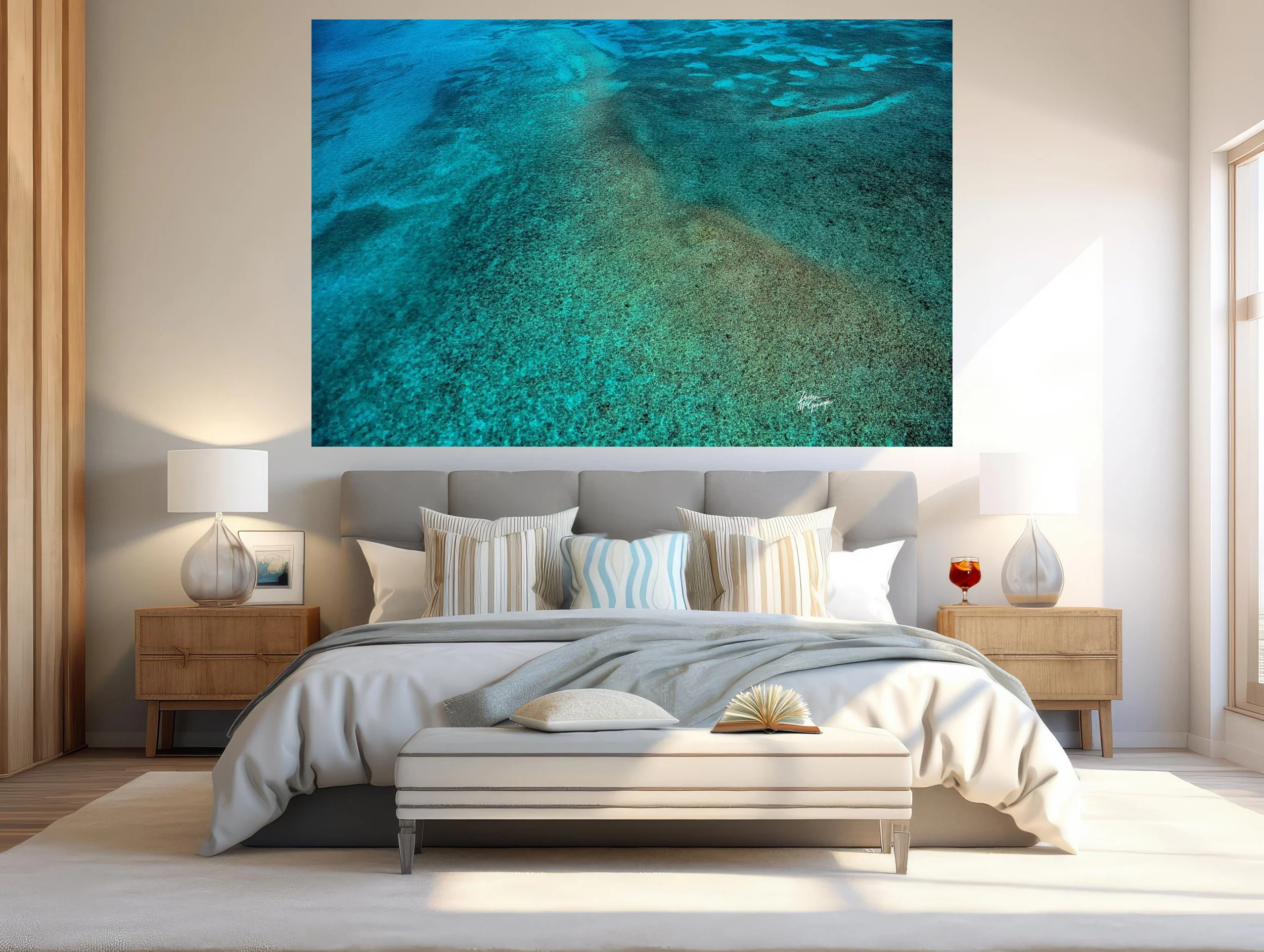
Shimmering Depths of a Sanctuary
Shimmering Depths of the Sanctuary invites viewers into a moment of quiet clarity beneath the ocean's surface, revealing an intimate portrait of light, water, and presence. Captured from above within the protected waters of the Florida Keys National Marine Sanctuary, this fine art nature photography piece explores the subtle beauty of shallow coastal environments, where transparency and depth exist in delicate balance.
LKFL 3529-26 | c2026 | Learn More
Consider Size, Placement, and Longevity
When starting a collection, think about where the artwork will live. Scale plays a significant role in how a photograph interacts with its environment.
Large prints work beautifully in open or modern interiors, while smaller works may suit intimate spaces. Museum-quality materials ensure longevity, allowing the artwork to remain vibrant and stable over time.
A well-crafted fine art photography print should feel as relevant years from now as it does today.
Collect with Purpose
Many collectors are drawn to fine art nature photography because it aligns with personal values. Choosing artwork inspired by landscapes and wildlife reflects appreciation for beauty, balance, and environmental stewardship.
A portion of proceeds from fine art photography sales supports Global Voices for Nature Foundation Inc., a nonprofit dedicated to conservation education, environmental awareness, and protecting the landscapes and wildlife that inspire this work. Through collecting fine art, patrons participate in preserving the natural world for future generations.
Confidence Comes with Experience
Confidence in collecting grows naturally over time. Each piece you acquire refines your eye, clarifies your preferences, and strengthens your connection to art. Trust your instincts, ask questions, and allow your collection to evolve organically.
Fine art photography collecting is a personal journey—one that rewards intention, patience, and appreciation.